Wow, where has the time gone? It has been a year since I posted the first two parts of this series. Unfortunately, work and other commitments completely took over. Well, I’m back now for part three, and hopefully more insightful posts in the future.
Ironically enough, one of the projects that kept me busy over the past year was the Kickstarter campaign I created for Lumbos (a device that helps you “Snowboard Better, Easier, Safer, and Funner”). In the process, I raised over $20,000 for the company (138% over goal); and Lumbos became the 2nd highest snowboard campaign of all time on Kickstarter.
This is part two of a three-part series. If you missed part one or two, you can find part one here and part two here.
In part three, we will cover promotion.

The different stages of a Kickstarter or Indiegogo campaign can be divided up into three stages, pre-launch, launch day, and post-launch. Pre-launch promotion should generally start about 2-3 months before launch. This entails planning promotion strategy, creating a targeted outreach list, and building your network via new/existing relationships. Get your personal and professional network on board and have them actively promote for you. (More on this later.) Build new relationships with bloggers, journalists, influencers, etc. By launch day, most of the heavy lifting should be already done. Keep in mind, that the first week of the campaign is key. (Kickstarter released statistics that show 80% of projects that reach 20% of their funding in the first 7 days will eventually reach their funding goal.) Post-launch should be mainly about continuing your momentum with continued promotion and updates.
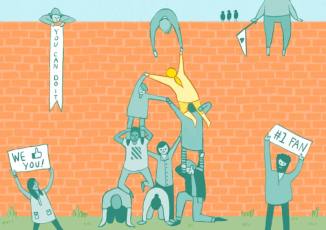
There are numerous sources for promotion, both paid and non-paid. Of the non-paid choices, word of mouth, direct email, Facebook, Twitter, Instagram, and blogs generally seem to be the best for spreading the word about your campaign. In addition to those, you might be surprised to find out a lot of traffic can come from within the Kickstarter or Indiegogo site itself, especially if your title is clear, concise, catchy, and relevant. Of the paid sources, my experience is that well-targeted Facebook ads have the best conversion rate; however your results may differ. The media and press can also be a great promotional tool, obviously. However, the chances of getting your story picked up by a major media outlet are not great, so I wouldn’t necessarily count on it. Keep in mind that not every source works best for everyone. Just experiment with the different sources and see what works best for you. Then put your resources behind your best sources. (More on this in the next paragraph.)
Tracking

Track your sources and traffic. To do this, use bit.ly. Bit.ly is a link tracking service so you can tell where each leads came from. If you add “+” to the end of any bit.ly URL, you can see the stats from that link. This way you can tell where your best traffic sources are coming from; and therefore, you can direct your resources (time, money, energy) to those best sources.
Networks

Don’t underestimate the power of your own personal and professional networks; family, friends, colleagues, industry peers, etc. Feel free to leverage your network for anything from feedback on your campaign to actively promoting for you. Ask them to spread the word and you might even gain an important introduction. Don’t be afraid to ask them to help you out. After all, I’m sure that they wouldn’t mind asking you for a similar favor if they were in your position. The stage that networks most often comes into play is pre-launch. It is generally the first and best place for most people to start promoting.

Join the online communities of your audience. Of course, you can always join the offline communities (meetups, for instance); but offline is generally more efficient. Write guest blogs for other sites. This is one of the best ways to get your project in front of relevant audiences.

Get a social media tool (like Hootsuite) that allows you to connect all your social media accounts, and then manage everything in one place. From this tool, you can send or respond to messages or schedule them in advance, all in one place. This becomes invaluable as a timesaver and organizer of social media messages. Hootsuite also has a free one month trial period so if you can try out first. If you are running a short crowdfunding campaign (30-90 days), you will only need it a few months anyways.
Another great tool to use is Buzzsumo. Buzzsumo not only helps you find the influencers that matter to you, but also tells you what content is most relevant to your product and how much attention it gets.

Updates are not only to keep your backers informed, but to keep them excited about the project. In addition, by providing regular updates during the course of your campaign, you may entice someone sitting on the sidelines to back you once they see your success. After all, people love backing winners. Another byproduct of this is that existing backers may also increase the size of their donation. There are generally two types of updates during the campaign, funding and promotional. Funding updates are to notify your backers (and the public) where you stand in relation to your overall funding goal. This is typically done at the 25%, 50%, and 100% milestones of the funding goal. The other type is promotional. These updates are when your campaign/product gets promoted somewhere important (press, blog, etc.), or to thank a backer for a big donation (not my favorite, as I do not like publicly calling people out…unless, of course, they welcome the attention). One key point about updates: don’t overdo them, or you stand to lose backers as they will begin to tire of the messages.
Of course, there are many other methods and tactics to promote crowdfunding campaigns, but these are just a few. What other suggestions would you recommend to promote a crowdfunding campaign?
Please feel free to share/repost/retweet.
 Entrepreneurial Minded